
Real County Traffic Warrants Explained
Every traffic case in Real County starts with a citation. Printed on it are the response date and the court handling the matter. Miss that date or leave a final judgment unpaid, and the issuing court can act. The step it takes depends on the case. A failure to appear is one path; a capias pro fine after an unsatisfied fine is another. So treat unpaid tickets differently. Do not assume they all produce the same warrant. The right route also depends on which court is named. A citation may point to a Real County justice court or to a city municipal court. Real County now lists its JPs in one countywide public roster, though the official payment pages still show legacy Leakey and Camp Wood portal labels. Read the court name on your ticket before anything else.
Real County Traffic Warrant Search Uses Numbers
Both JP portals work the same way. The Leakey JP1&2 portal and the Camp Wood JP3&4 portal make you pick "Citation/Ticket Number" or "Case/Cause Number" and type one number. Neither offers a name search, a date-of-birth lookup, or a warrant check. Lost your citation? A city matter may need a call too. A clerk can identify the right number or contact. Remember what the portals are: a citation and payment workflow. They can locate a transaction in Real County, but they cannot show whether the court issued a warrant or entered a recall. For the program's court-contact route and its limits, the official Texas FTA/FTP help page spells them out.
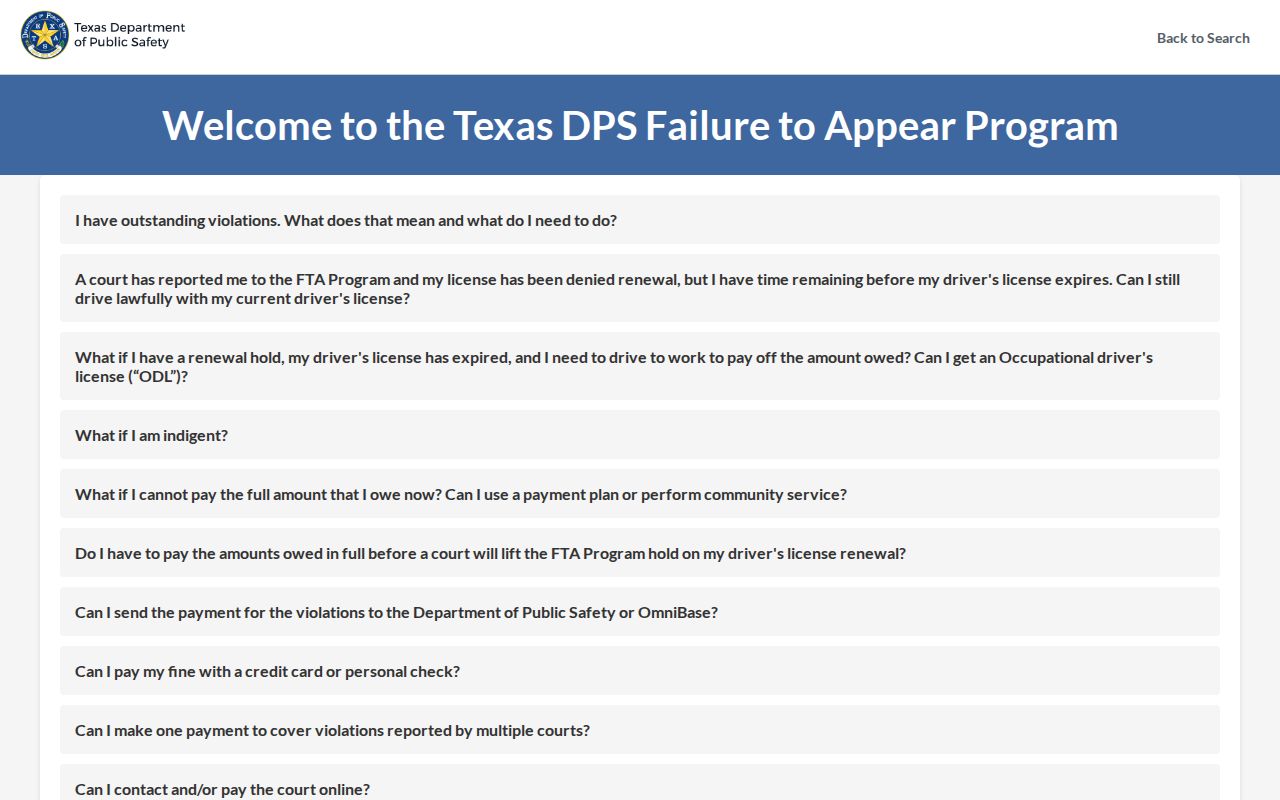
The state program sends you back to the Real County court anyway. That is where the citation and any remedy live.
Real County Traffic Warrant Checks
Start with the paper citation. Use the number and the court name printed there. If the court is unclear, call before touching a portal. A city citation should go through City Hall to the current municipal clerk, and a county JP citation should match the JP portal label. The Real County Sheriff's Office can help with agency routing, but it posts no public warrant search.
- Read the court name, citation number, response date, and any missed-setting notice.
- For a JP matter, use the matching Leakey or Camp Wood nCourt number search.
- Call the JP or city contact if the number fails or the citation identifies a municipal court.
- Ask whether the court has a warrant, FTA, capias pro fine, or only an unresolved citation.
- Contact the reporting court for a DPS/OmniBase license hold question; use a lawyer when arrest exposure is serious.
Want records rather than your own status? Real County accepts written requests under the Texas Public Information Act, subject to exceptions.
Real County Traffic Warrant Search Timing
Timing matters on these portals. The Leakey nCourt page warns that a citation may take five days to show up for online payment. If your first search fails, it says to retry the number without its leading zero. The Camp Wood page offers the same basic number choices. None of that tells you whether a traffic warrant has been recalled. It is portal matching and payment timing only. The displayed payment-center phone is (833) 250-1797. The Leakey page lists its own clerk contact and hours, and the Camp Wood portal lists a separate phone and schedule. A rejected number could mean the ticket is too recent, the wrong portal was chosen, or the format differs. Before drawing any conclusion in Real County, call the court and confirm its label and current hours rather than trusting an older citation.
Inside a Real County Traffic Warrant Record
Real County publishes no traffic-warrant screen or sample record. The number that follows is a field label, not a made-up local identifier. Ask the court which public details it can confirm.
| Citation / cause number | number printed on the citation; nCourt searches by citation/ticket or case/cause number. |
|---|---|
| Issuing court | The JP or municipal court named on the citation controls the case. |
| Underlying matter | Ask whether the file is a citation, an FTA, a judgment, or capias pro fine. |
| Payment or fine | nCourt can support payment steps but does not display every court remedy. |
| Warrant status | Call the court to confirm active, recalled, served, or satisfied status. |
Real County Traffic Warrants and FTA Reports
A missed date may lead the Real County court to record an FTA or take another enforcement step. If an eligible matter gets reported under Texas Transportation Code Chapter 706, DPS can place a hold on license renewal. The court keeps control of everything underneath: the fine, the appearance, any payment plan, community-service options, and the report of resolution. DPS says its update generally lands three to five business days after the court reports the matter resolved. A $10 reimbursement fee applies to eligible reported cases, with statutory exceptions. Keep the shape of this in mind. It is a court-to-DPS process, not a public Real County warrant database. For its own part, Texas DPS FTA/FTP information tells users to contact the court about the case.
Real County Traffic Warrant Payment Steps
Paying a fine online can feel like the end of it. In Real County, it rarely is. An online payment may cover the amount owed, yet it might not count as your appearance or recall the warrant on its own. The court could still want a hearing, a bond, a payment plan, or community service. Since Real County posts no single rule covering every traffic citation, call the issuing court and ask what step actually clears your case.
- Confirm the court, case number, amount due, and whether a warrant or capias has issued.
- Ask which payment, appearance, plan, or bond options the court accepts.
- Keep any payment receipt and ask whether the court entered a separate recall or satisfaction.
- If an FTA/FTP hold exists, ask which court reports resolution and when DPS should update it.
Warning: A portal receipt does not prove a warrant was recalled. Ask the issuing court what remains and obtain written confirmation of the next date or closure.
Real County License Holds Are Not Warrants
One ticket in Real County can spawn several different records. A traffic warrant, an FTA court action, and a DPS license-renewal hold may all trace back to the same citation, but none of them is the same thing. The court issues its process; a participating court may then report the matter to DPS; and the license hold stays put until the court reports a resolution. Timing and order vary with the case.
| Item | What it means | Who confirms it |
|---|---|---|
| Traffic warrant | Court process that may authorize arrest | Issuing court |
| FTA or capias | Court action tied to a missed setting or unsatisfied judgment | JP or municipal court |
| License-renewal hold | Reported FTA/FTP consequence for an eligible matter | Reporting court, then DPS |
Real County Traffic Warrants and License Holds
One Real County ticket can carry more than one status at once. Ask which system holds each piece. The payment vendor only moves the money. The court decides the case and its process. DPS updates an eligible license hold after the court reports it, so a single portal result will never tie all three events together. Texas Chapter 706 sets out the reported FTA/FTP matters and the renewal-hold framework. It does not promise that every Real County ticket participates, or that each reported case carries an arrest warrant. Keep the court's receipt and confirmation until the matter shows up in the systems that apply.
Real County City and JP Traffic Warrants
A traffic ticket out of Camp Wood or Leakey may come from a city municipal court or from a Real County JP. Neither city publishes a warrant portal or payment form online. Read the paper first. If it names the city court, call City Hall to find the current clerk rather than forcing a city ticket through a county JP payment page. In Camp Wood, City Hall handles city-issued matters. In Leakey, the city contact sits apart from the courthouse, the sheriff, and the combined clerk. The Real County municipal warrant page explains that city-court gap. The county overview lays out the full local route.